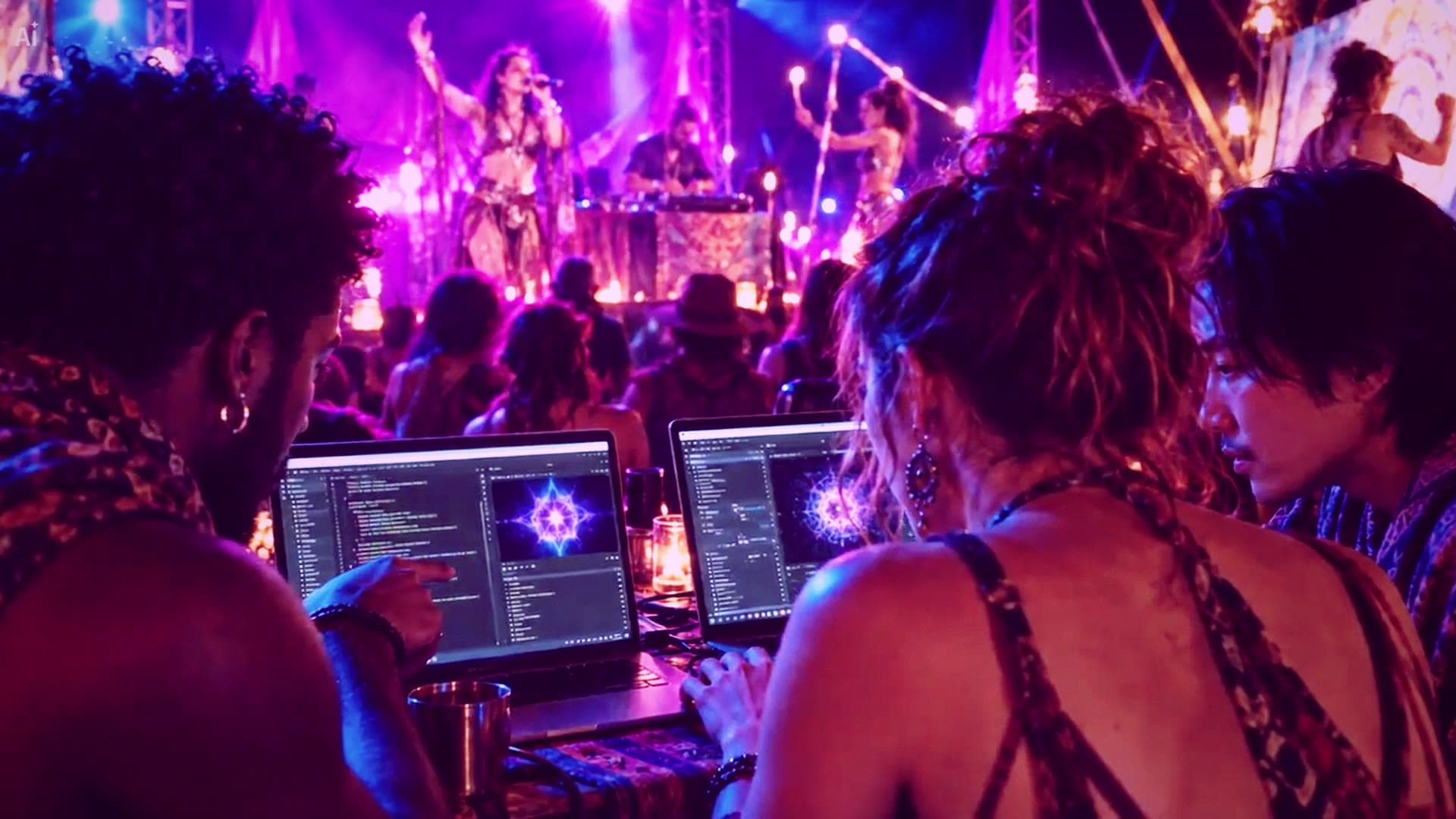
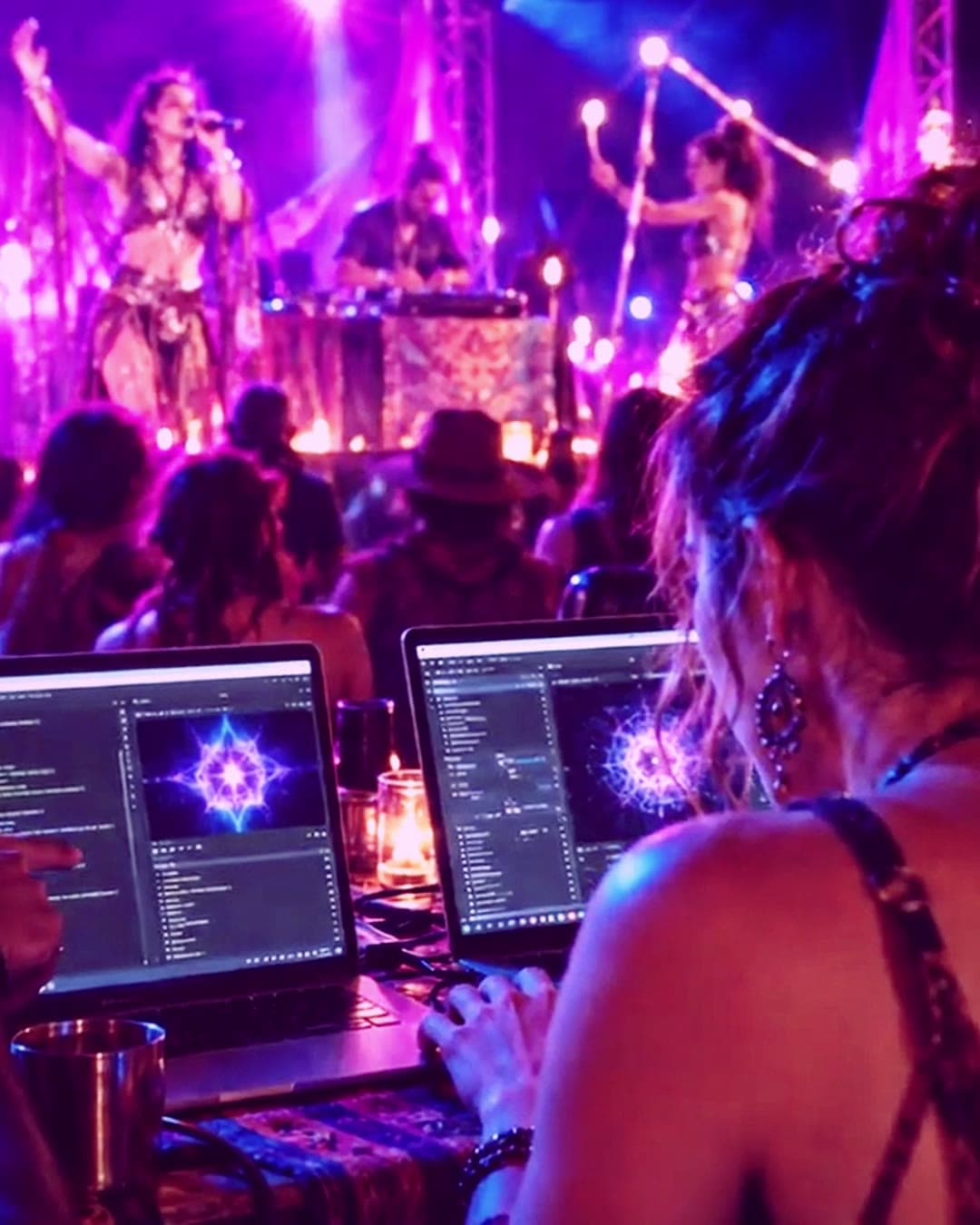
An AI-native program · Austin · 2027
Community solutions
through technology and art.
The idea is the city's. The hackers are the factor: people who make a thing work by Friday that everybody said would take a year. This is the room where one gets built, with the people who asked for it, and released as a product that keeps itself alive.
- 0
- hackers
- 0h
- of building
- 0
- in the room
What it is for
Giving back, built as an experience.
The community raises the idea and votes it to the top. Technology builds it. Art is why the room cares enough to fund it. Somebody in this city puts one sentence on the board and the city backs it. By the end of the day, the organization the city chose has a working product that keeps itself alive, improved for as long as people use it. Austin is better than it was on Friday. Then the format travels.
AI changed what a night can leave behind. A hackathon used to leave a demo that died by Tuesday. What leaves this room develops itself, heals itself, evolves with the people using it, and gives back more than it takes.
The city speaks first.
What is your world changing idea?
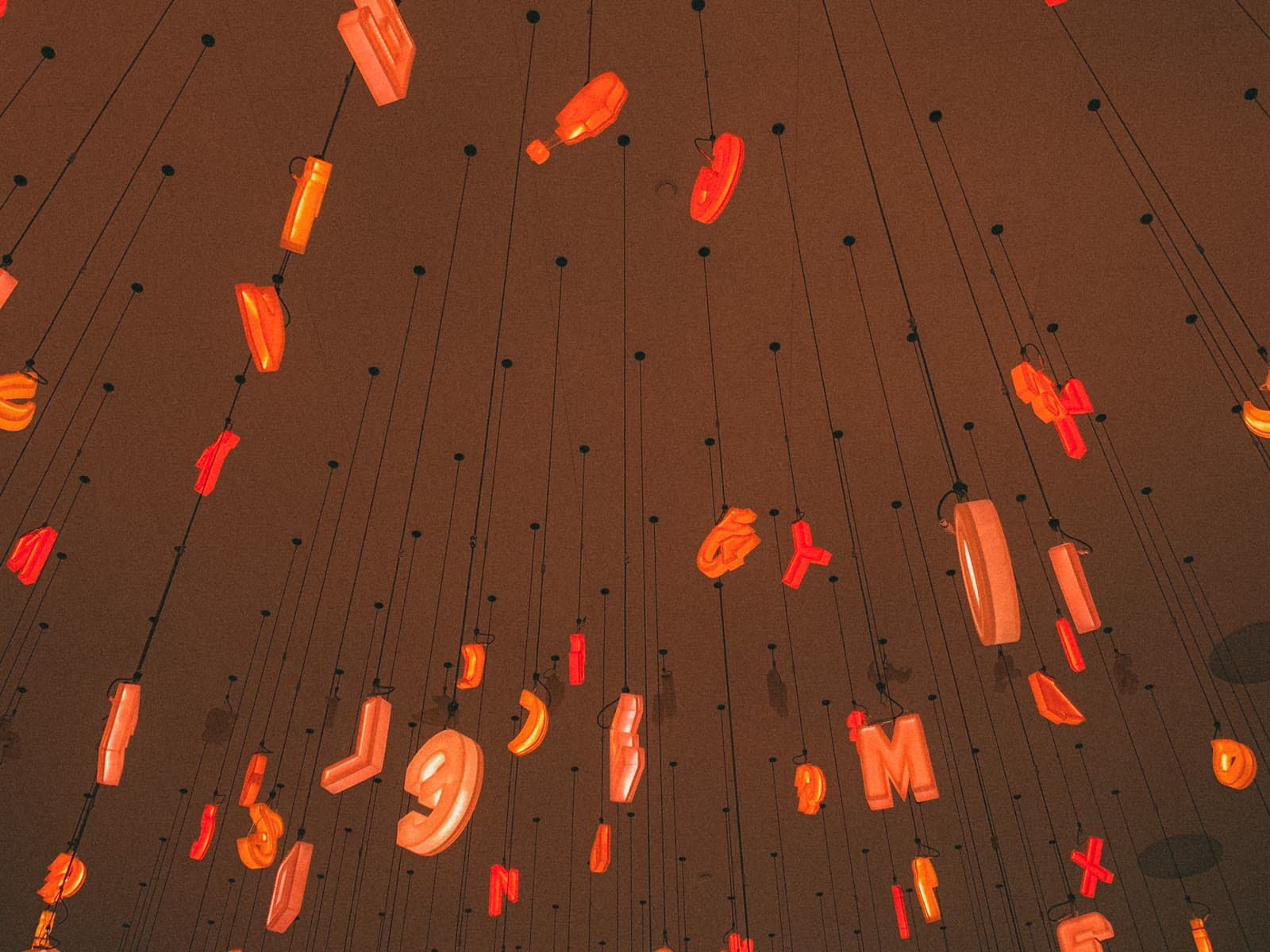
Anyone in the community puts their greatest idea on the board, online, in one sentence. The community votes. The idea with the most votes on the night of the event is the one that gets built. The people who raised it and voted for it are in the room when it happens.
Four teams, one app
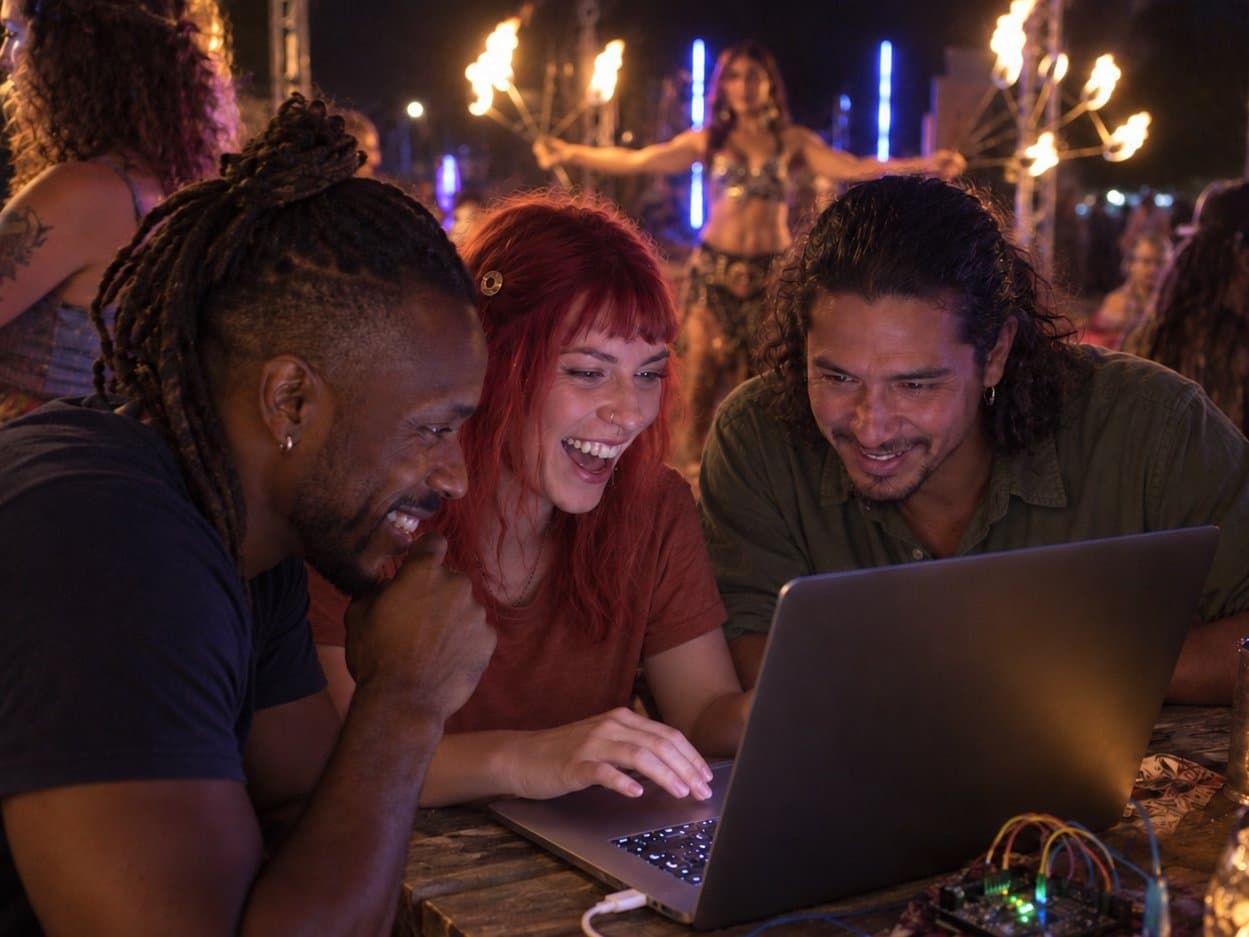
Four teams, one super app. Each team builds a part of it and every part has to fit, so the thing on the screens by the end of the day is one product the whole room made together.
They compete to collaborate. Every team is scored on what it built, what the other teams built on top of it, and the credit the other teams give it, and the room scores the finished app. You watch it transform through the day, from one sentence on a board to something people are using on their phones before the bell.
The day
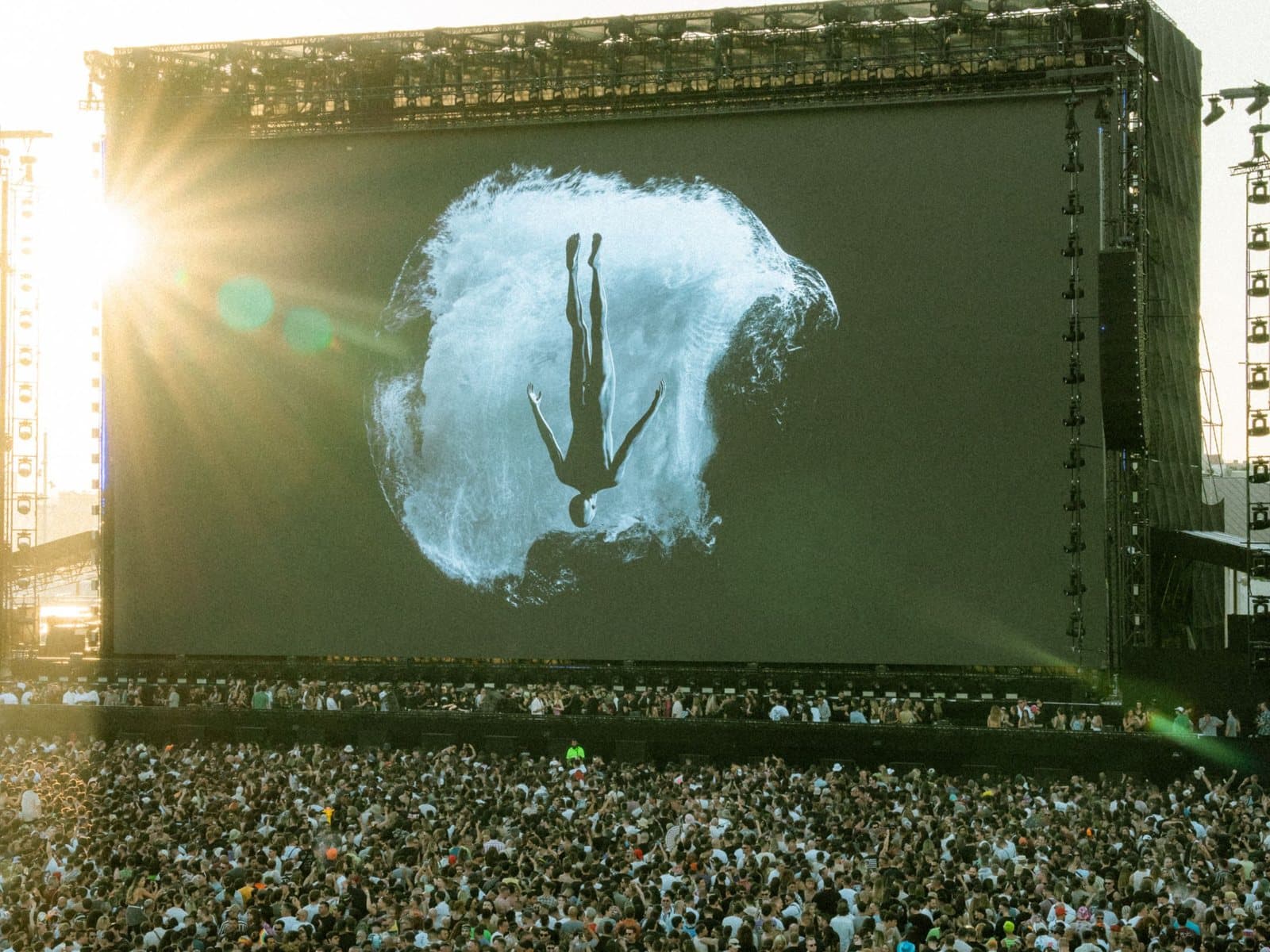
A room full of screens, and every one of them is scannable. Open the live app on your phone, download it, use it, and tell the team what you think while they are still building it. Score it, send a suggestion, back next month's idea, give and watch it land on the ticker.
That is a second layer of the build: direct user feedback, in the moment, from the floor, straight to the people writing the code. Every suggestion is collected, and the teams ship against it before the bell. Spectators become users, and the users become the feedback loop.
- 10:00One sentence
The idea the city voted to the top lands in front of four teams. A quiet room, the first DJ, two hours before anyone is watching.
- 12:00Doors
The room walks in on something already two hours alive. Painters start on the walls with what it is for, before it has a face.
- 14:00The break
The teams come off the floor and the room comes to them. Ask what it is. By now it has a name.
- 16:00It is on your phone
The live app on four hundred phones, and feedback coming off the floor into the code while the builders are still writing it. The room is inside the build.
Building stops. The room goes quiet. Then the music that has run all day turns into the show, and the show is about the thing you just watched being made.
- 22:20Into the wild
One button, from the stage. The app goes live to the city, and from that second it develops itself, heals itself, and answers to the people using it. An AI-native being, set loose on one of our greatest ideas.
- AfterThe ledger
The Standing, the room's score, and the money, published. The night's receipt.
The app becomes the show
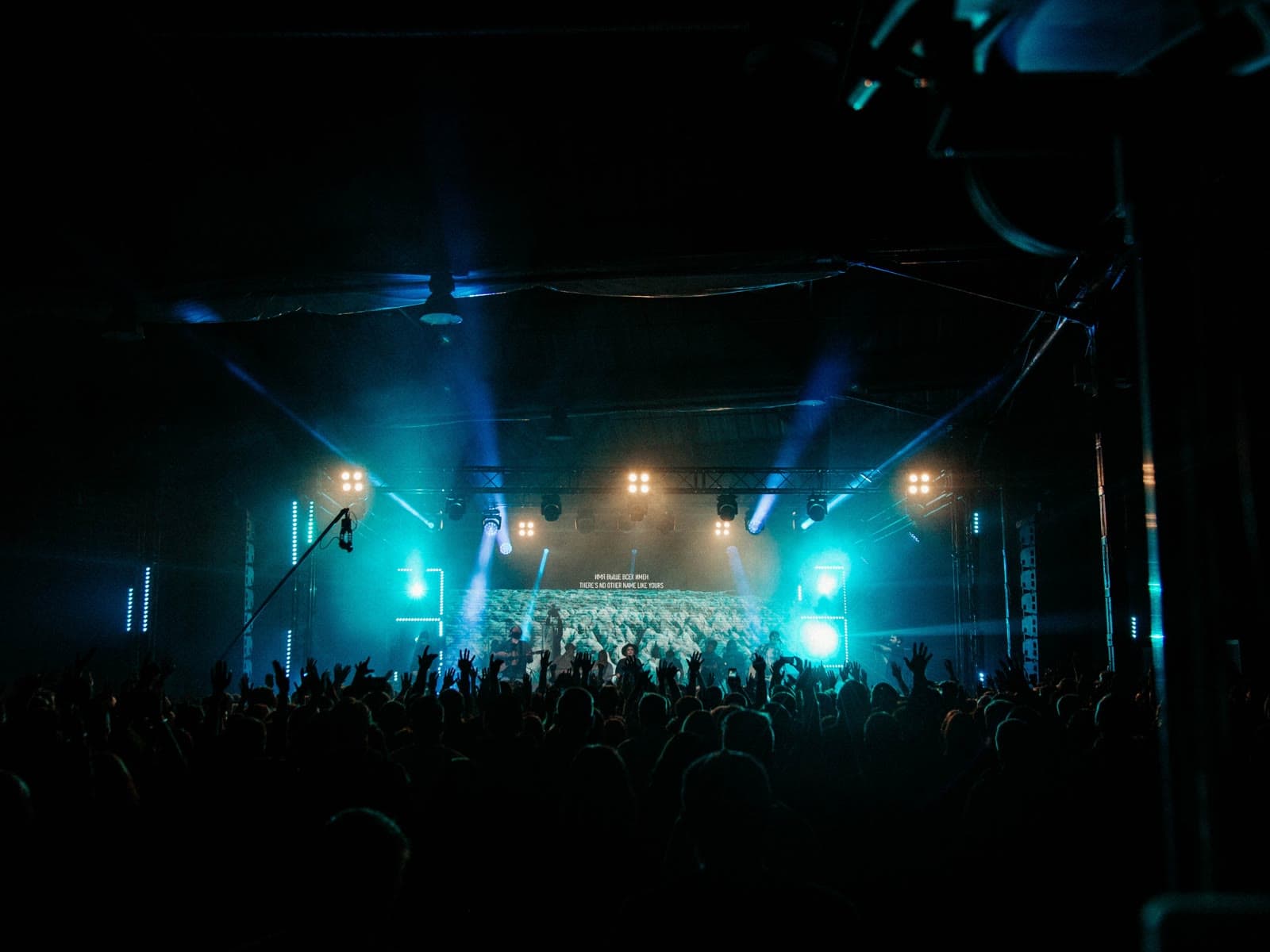
The music runs all day. DJs from the first hour, each set building toward the headliner at night, painters working the perimeter the whole time. At the bell the day's music becomes the show, and the app the room built is its subject: the artists have been painting what it is for since morning, the performers carry it through the turn, and the headliner reads the Standing and announces it to the world from the stage.
The show pushes the app. It is open on every phone in the room. The audience that came for the music opens it, uses it, and the show answers what they do with it, live, from the stage and the screens. The first users are already in the building. Its founding room, every builder and the person whose sentence started it are in the credits for as long as it runs.
It keeps itself alive
Every other build night ends when the room empties. This one hands over to a product that runs itself.
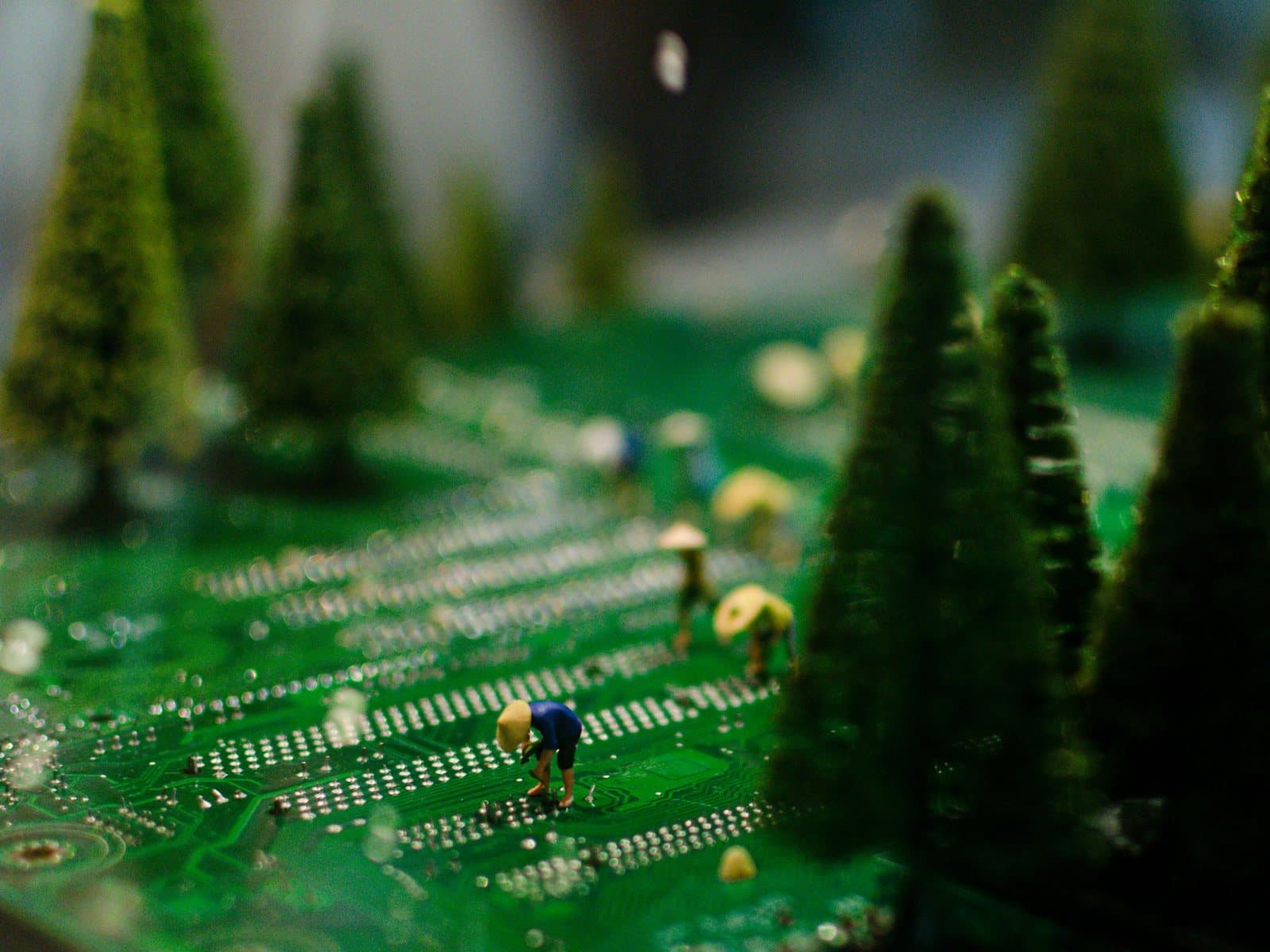
Everything is developed on top of a framework that positions it to run autonomously and keep itself alive and thriving by the end of the hackathon. That is part of the mission: we build sustainable, autonomously living solutions that are always operating to solve our greatest idea. The organization the community chose runs the product. The people who funded it vote on what it does next, every quarter, for a year, and the dashboard publishes where it got to, in the same format every time.
- 01
Self-developing
It reads its own backlog, opens the work, reviews itself, and ships on green.
- 02
Self-healing
It watches its own errors in production, files the issue, opens the fix, and merges when the tests pass. Usually before anyone noticed.
- 03
Self-evolving
The people using it vote each quarter on what it does next. The framework builds it.
- 04
Self-surviving
It scales to zero when nobody is using it and back up when someone is, and it runs on a commons anyone can fork. It outlives everyone in the room.
The code is a commons from the first commit, so the city owns it outright. This is what an AI-native build can leave behind now, and it could leave nothing like it before.
It gives back more than it takes
Autonomous is the floor. The product is built to leave the systems it touches healthier than it found them: the code, the machines it runs on, the planet under them, and the people around it.
- 01
It optimizes itself
It watches its own cost, speed and footprint, trims what runs and nothing reads, and retires what nobody uses. Every month it is leaner, faster and lighter on the planet than the month before, and the number is on the ledger.
- 02
It seeds the commons
Anything general it builds or fixes goes back into the commons, so the next city's build starts further along and costs less. Each product makes the next one cheaper for the next community.
- 03
It grows the people around it
It writes its own documentation and explains every change in plain language, so the organization the city chose runs it without help. Capacity up, dependency down, and the community that asked for it is the one that steers it.
The city is better than it was on Friday. Then the board turns, and another city is asking what it would build.
Get involved